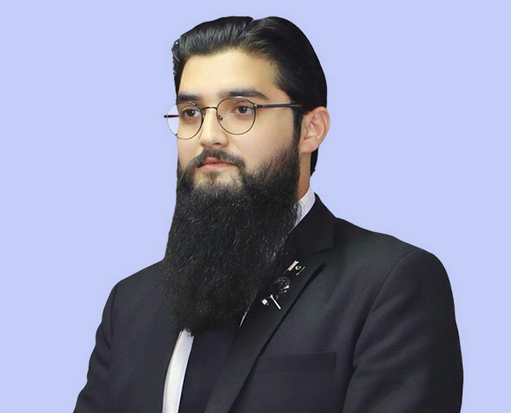

There is a certain kind of pressure that many solo and small-firm attorneys carry every day. The legal work itself is demanding enough, but the operational side of running a practice (drafting repetitive documents, managing filings, and handling administrative workflows) can slowly consume the hours attorneys actually need for strategy, advocacy, and client counseling.
That reality is exactly what International Licensed Attorney (ILA) Muhammad Shaheer has spent the last several months helping attorneys solve.
Based in Islamabad, Pakistan, Muhammad is a licensed attorney with a background in commercial and corporate law. Through his work as an ILA, he now supports multiple U.S. attorneys across several states and practice areas, including probate, family law, tax law, arbitration, and personal injury.
What stands out immediately in speaking with Muhammad is not just his technical ability, but the way he thinks about legal support. He views the role as far more than task completion. For him, it is about becoming a reliable operational extension of an attorney’s practice.
One of the attorneys Muhammad supports operates a solo probate and family law practice in Kentucky. Like many solo attorneys, she was handling an overwhelming amount of repetitive documentation work herself. Muhammad stepped into that process and began managing her probate and family law document preparation.
“I’ve been managing the documentation process from start to end,” he explained. “I draft documents, e-file them with the courts, organize the client documents, and share those filings with clients.”
In probate matters, especially, the work often involves extensive documentation packets. While the legal analysis itself may not always be highly complex, the administrative burden can be enormous when multiplied across several clients every day.
Muhammad Shaheer described how probate packets that once consumed roughly an hour and a half per client became significantly faster once systems and workflows were established. Over time, he reduced drafting time to approximately thirty minutes per packet, leaving the attorney primarily responsible for final review and court appearances.
The result was not merely efficiency for efficiency’s sake. It created breathing room.
Early in their working relationship, Muhammad recalled receiving emails from the attorney at five in the morning because of the nonstop workload she was carrying. Eventually, something changed.
“There were some days in the week where I had no work,” he said, “because the things for that week had been done and she was taking that day off.”
For many attorneys, that type of operational relief comes just in time. It prevents burnout, improves client responsiveness, and ensures long-term sustainability.
Another attorney Muhammad works with is based in Colorado and focuses primarily on arbitration, corporate matters, and tax law. Initially, Muhammad was brought in to help the attorney expand into probate and estate-related matters.
That expansion required consistent lead management and client follow-up, tasks that are critically important but often difficult for busy attorneys to maintain consistently.
Muhammad Shaheer took ownership of the process.
He managed lead responses, followed up with potential clients by text and email, monitored incoming inquiries, and ensured no viable opportunities slipped through the cracks.
Before Muhammad joined, the attorney’s response rate on the platform hovered around twenty to thirty percent. Within a month, the response rate climbed to approximately ninety percent.
That operational consistency gave the attorney freedom to focus heavily on tax work during tax season while still building momentum in a newer practice area.
Over time, the attorney recognized that Muhammad’s value extended beyond intake management alone. He eventually began training Muhammad on tax-related workflows as well, expanding the relationship into another area of legal support.
For Muhammad, that flexibility is one of the most rewarding aspects of working as an ILA.
“There is so much learning in all of it,” he said. “You are working with different attorneys in different states of the U.S. in so many different practice areas. You have to adapt to the new attorneys, and you do that. That is the beauty of the whole process.”
What becomes clear throughout Muhammad’s story is that he genuinely values the learning environment that comes with supporting U.S. attorneys.
Before becoming an ILA, he had already worked with a U.S.-based BPO company, which gave him exposure to American business culture. But legal support work introduced an entirely new level of professional development.
He now works across multiple states, each with different procedural rules and workflows. That diversity has expanded both his legal understanding and his adaptability.
“I believe that in comparison to many other Pakistani lawyers, I am much more equipped regarding U.S. laws,” he explained. “I have a much better understanding of them.”
He also appreciates the level of trust attorneys place in their ILAs. According to Muhammad, successful attorney-ILA relationships depend heavily on communication, patience, and trust early in the process. Attorneys who are willing to invest guidance upfront often gain substantial operational support in return.
“ILAs are trained professionals,” he said. “They have the capacity of absorbing new information and acting accordingly.”
For Muhammad Shaheer, the opportunity represents more than remote work. It is a chance to continuously learn, adapt, and contribute meaningfully to the success of real law firms serving real clients every day.
And in many ways, that is exactly why his attorneys continue relying on him.
Far too many lawyers struggle under a crushing layer of administrative tasks, busy work, and catch-up assignments that eat into real productivity. Bringing an ILA like Muhammad Shaheer on board frees up your time to delegate simply, seamlessly, and to a trained fellow attorney who understands your bottleneck issues and can make a genuine difference.
That’s the difference Muhammad has made for lawyers handling everything from tax law to probate. It’s the freedom to breathe, scale, grow, take on more cases, and even take Fridays off.
If your small, solo, or growing firm could use this level of attorney support, reach out to DocketWorks. We’ll help pair you with a bright, dedicated, professional ILA who can begin making a difference for you on day one.
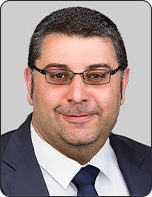
Richard Jacobs is the president and founder of DocketWorks and Speakeasy Marketing, where he works with law firms across the country to build systems that help attorneys grow their practices without losing focus on the work that matters most. Through years of working closely with legal teams, he has authored numerous books and developed practical strategies for helping firms streamline operations, strengthen their teams, and scale their impact.